Is Office Coffee Actually Free? Here's How to Tell
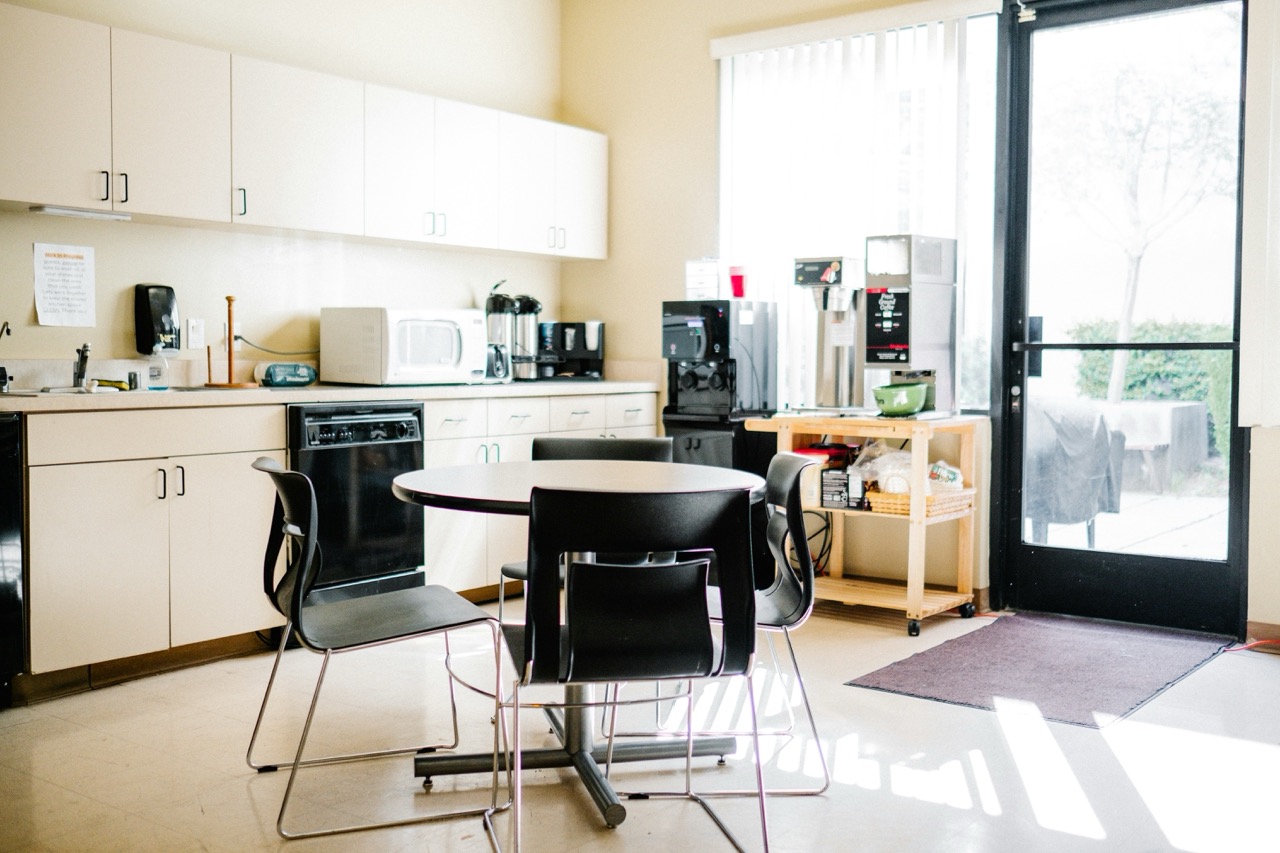
Every office has that moment. You're standing in front of the Keurig, basket of K-cups within arm's reach, and a small but real question pops into your head: am I actually allowed to take one of these?
It's a strange kind of hesitation, especially if you've worked somewhere for years and somehow never settled the question. But it turns out this is one of the most universally relatable pieces of office uncertainty out there, and the good news is that the answer is almost always simple.
The short answer: yes, it's free
If there's no sign, no price tag, and no donation jar anywhere near the coffee station, you can safely assume it's free for employees to use. The general rule across most workplaces is that the burden of communication falls on the employer, not you. If a company wants to charge for coffee, it's on them to make that clear, whether that's a coin slot, a posted price, or an obvious collection tin.
There's also a practical reason employers tend to offer it for free. Coffee is cheap to provide and it keeps people alert, caffeinated, and at their desks instead of making a coffee run down the street. A box of K-cups costs very little compared to the productivity boost it buys. It's essentially a low-cost perk that doubles as a subtle nudge to keep working.
When it's not free: the donation jar setup
Not every office foots the bill, though. Plenty of workplaces run on a kind of informal coffee club instead, where employees chip in a few dollars a month, take turns restocking supplies, or rely on one coworker with a wholesale club membership to keep things stocked.
This setup tends to show up most often in government offices and public agencies. Budget optics make it harder to justify spending public funds on something like coffee, even when the actual cost is minimal, so employees often end up covering it themselves.
These informal systems can take on a life of their own. Sometimes one person quietly keeps the basket stocked because stopping would feel awkward once everyone is used to having it. Other times, friction builds when someone who drinks their coffee black gets pressured to chip in for creamer they never use. The system is voluntary in theory, but it tends to be socially enforced in practice. Everyone in the office usually knows who isn't pulling their weight, even if no one says anything directly.
The one rule almost everyone agrees on: don't take it home
Free-to-drink and free-to-take-home are two very different things. Plenty of perks like this have been shut down entirely after one or two people started treating the break room like a personal supply closet. The classic example: a vending machine offering free snacks gets emptied into a cardboard box by one overzealous employee, and within days the machine starts charging a quarter per item for everyone.
The pattern is consistent. A generous, low-friction perk works fine as an unspoken social contract until someone pushes it too far. Once that happens, trust erodes fast, and the simplest fix for management is usually to just remove the perk altogether.
How to figure out your own office
A few quick things to check if you're still not sure where your workplace lands:
No sign, no jar, no price tag means it's safe to treat as a company-provided perk. A labeled box or bag usually signals a personal stash, often kept somewhere less communal like a drawer or cabinet. A visible donation tin points to an informal coffee club rather than a company-funded supply, and contributing is typically optional rather than required. And when none of that clears things up, just ask a coworker. It's the simplest option, and far less awkward than guessing wrong.
The bigger picture
Office coffee is a surprisingly good window into how workplaces handle shared resources in general. Most run on quiet, unwritten agreements that nobody ever explains out loud, and the system holds up only as long as everyone respects it. So if you've ever hesitated in front of the break room Keurig wondering if you're allowed to take a cup: in the vast majority of cases, you are. No questions asked.
Do the math
A daily cafe habit costs $1,300 to $2,500 a year.
One small setup replaces it with a better cup at home for about a dollar. See the exact gear and the payback math.
Looking for a coffee shop near you?
Our directory covers 122,844 coffee shops in 14,726 US cities, independents listed first, with addresses, phones, and websites from public data.
Browse the directory