Hot Coffee on the Road: Why That "Coffee Bar Uber" Trend Is Riskier Than It Looks
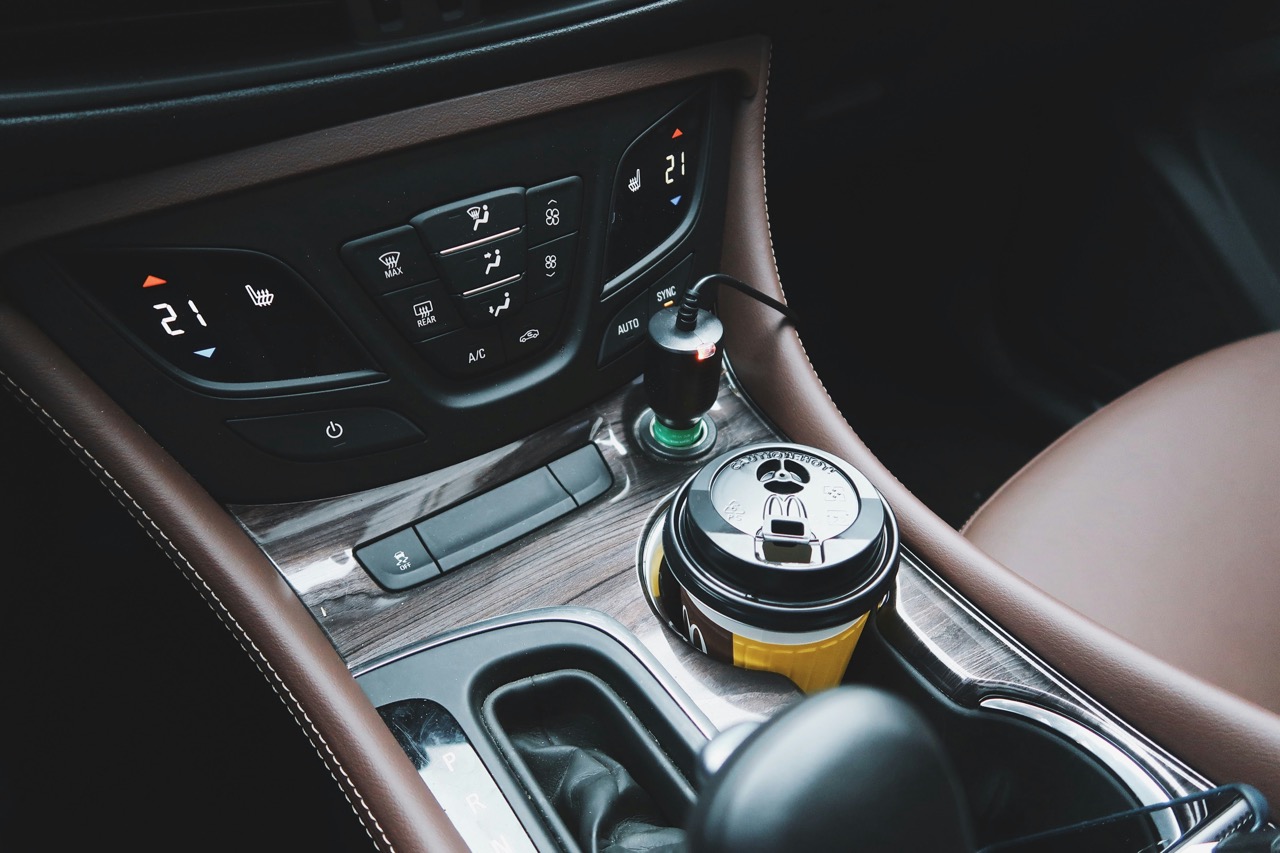
Every so often, a video resurfaces of a rideshare driver who's turned the front seat of their car into a mini café: a coffee maker wedged between the seats, breakfast burritos on standby, the whole setup clearly aimed at winning five-star ratings and bigger tips. It's a charming idea on its surface. It's also a genuinely bad one from a safety standpoint, and the reason why traces back to one of the most misunderstood lawsuits in American legal history.
The Basic Physics Problem
A coffee maker running in a moving vehicle is, fundamentally, an open container of near-boiling liquid riding around with no real way to secure it. Brewed coffee typically comes out well above 180°F. At that temperature, a sudden stop, a pothole, or an actual collision doesn't just create a mess, it creates a real risk of serious burns, and not the kind that calls for a quick rinse and a bandage.
This is where the McDonald's coffee case becomes relevant, because it's widely misremembered as a story about a frivolous lawsuit, when the underlying facts say something very different about how dangerous coffee at the wrong temperature actually is.
What Actually Happened in the McDonald's Case
In 1992, 79-year-old Stella Liebeck was a passenger in her grandson's car at a McDonald's in Albuquerque, New Mexico. The car was parked, not moving, when she placed her coffee cup between her knees to remove the lid and add cream and sugar. The cup tipped, and the coffee spilled across her lap, soaking through her sweatpants.
Liebeck suffered third-degree burns over 16 percent of her body, requiring eight days of hospitalization, skin grafting, and more than two years of ongoing treatment. This wasn't a minor scald. Experts testified that a single second of contact with coffee at that temperature was enough to cause third-degree burns.
The part that tends to get left out of the popular retelling: McDonald's had a written corporate policy requiring its restaurants to hold coffee at 180°F to 190°F, roughly 20 degrees hotter than most competitors served theirs at the time. The company's own quality assurance manager testified that coffee at that temperature was "not fit for consumption" because it would burn the mouth and throat if drunk directly. And critically, McDonald's already knew this was a problem. More than 700 people had reported burn injuries from its coffee in the decade before Liebeck's case, and the company had settled many of those claims, yet never changed its temperature policy.
Liebeck initially asked McDonald's only to cover her medical bills, roughly $20,000, and to reconsider the coffee's temperature so others wouldn't be hurt the same way. McDonald's offered her $800 and declined to do either. That refusal is what sent the case to trial, where a jury found McDonald's 80 percent at fault and Liebeck 20 percent at fault, awarding her $200,000 in compensatory damages, reduced to $160,000 to reflect her share of responsibility, plus punitive damages that a judge later reduced from a jury's initial $2.7 million figure. The two sides ultimately settled for a confidential amount before the case could be appealed.
Why the Temperature Matters So Much
The science presented at trial was specific: at 190°F, coffee can cause third-degree burns in under three seconds. At 160°F, the same severity of burn takes roughly 20 seconds, enough time to actually react and get the liquid off your skin before serious damage is done. That gap, between "I have time to deal with this" and "the damage is already done before I can move," is the entire point.
The day after the verdict came down, the specific McDonald's location involved in the case had already dropped its coffee temperature to around 158°F. That's a remarkably fast operational change for a company that had resisted the idea for a decade, and it's a pretty clear signal that the original temperature wasn't an accident or a flavor decision. It was a liability nobody had bothered to fix until a jury forced the issue.
Bringing This Back to the Car Coffee Trend
None of this means a cup of coffee is inherently dangerous, obviously. People drink it hot every day without incident. The issue is specifically about combining near-boiling liquid with an environment that can't guarantee stability, which describes a moving vehicle about as well as anything could.
A parked car in a McDonald's lot was enough to produce one of the most serious burn injuries in recent legal memory. A coffee maker actively brewing while a vehicle is driving through city traffic, hitting potholes, braking for pedestrians, or in the small but real chance of an actual collision, removes even the minimal control Liebeck had over her own cup. There's no way to brace for a spill you don't see coming, and there's no padding between a hot liquid and a passenger's lap in the back seat of a sedan.
The well-intentioned version of this idea, the kind that's actually low-risk, looks more like a sealed thermos of coffee a passenger can pour themselves once the car is stopped, or pre-poured cups with secure lids handed over only when the vehicle isn't moving. The appeal of the "full coffee bar in my car" setup is real, and the instinct to go above and beyond for riders is a good one. It's just worth remembering that the most famous coffee-burn case in American legal history happened in a parked car, with a cup someone was holding carefully, on purpose, with both hands free. A moving vehicle removes nearly all of those small advantages at once.
Do the math
A daily cafe habit costs $1,300 to $2,500 a year.
One small setup replaces it with a better cup at home for about a dollar. See the exact gear and the payback math.
Looking for a coffee shop near you?
Our directory covers 122,844 coffee shops in 14,726 US cities, independents listed first, with addresses, phones, and websites from public data.
Browse the directory